I had such a wonderful Mother’s Day weekend! My very own Louet wheel finally arrived from The Netherlands!
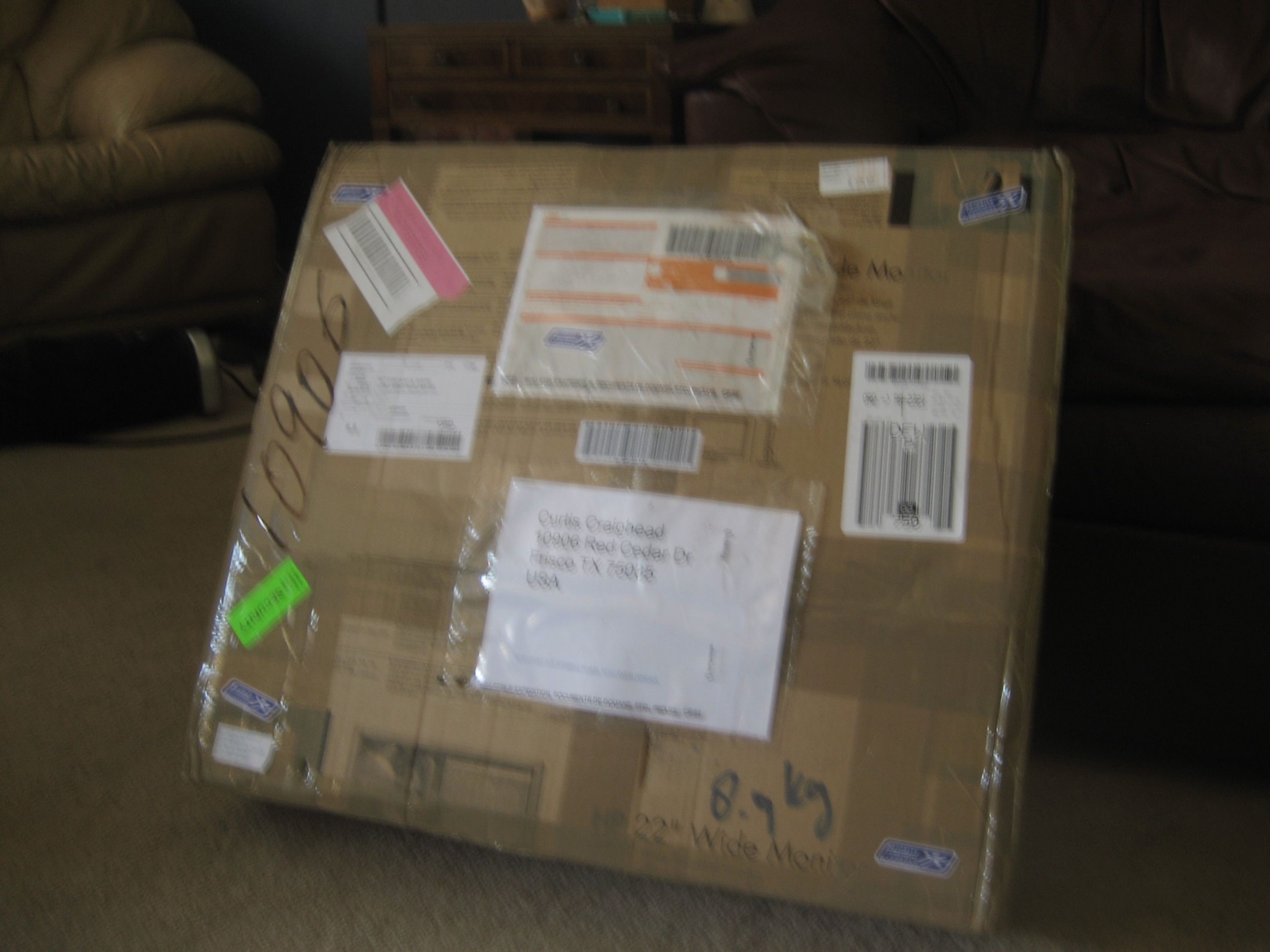
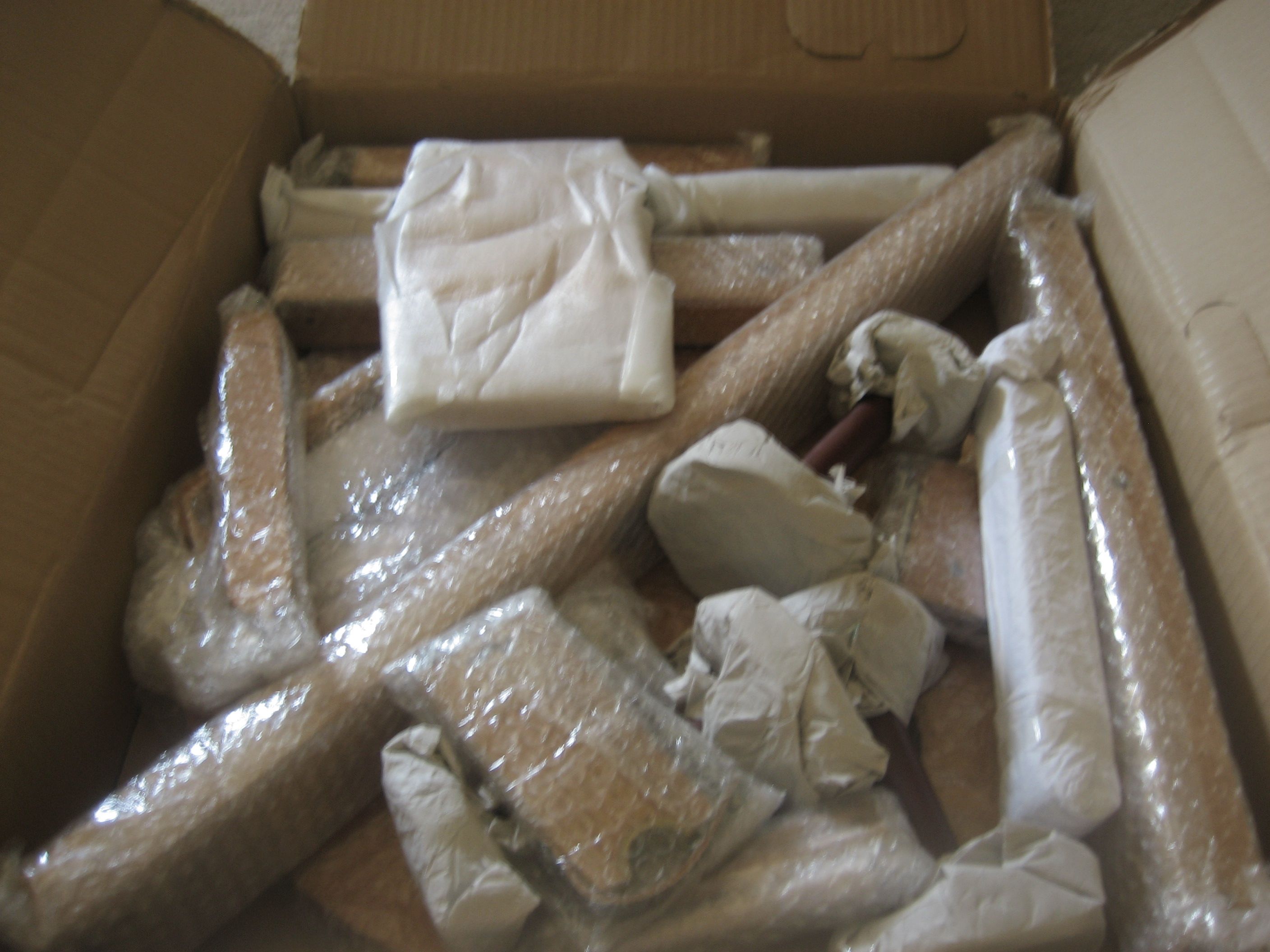

Thank you, Laurie and good son Hayden for helping me put it together!

Must stay safe driving home. 
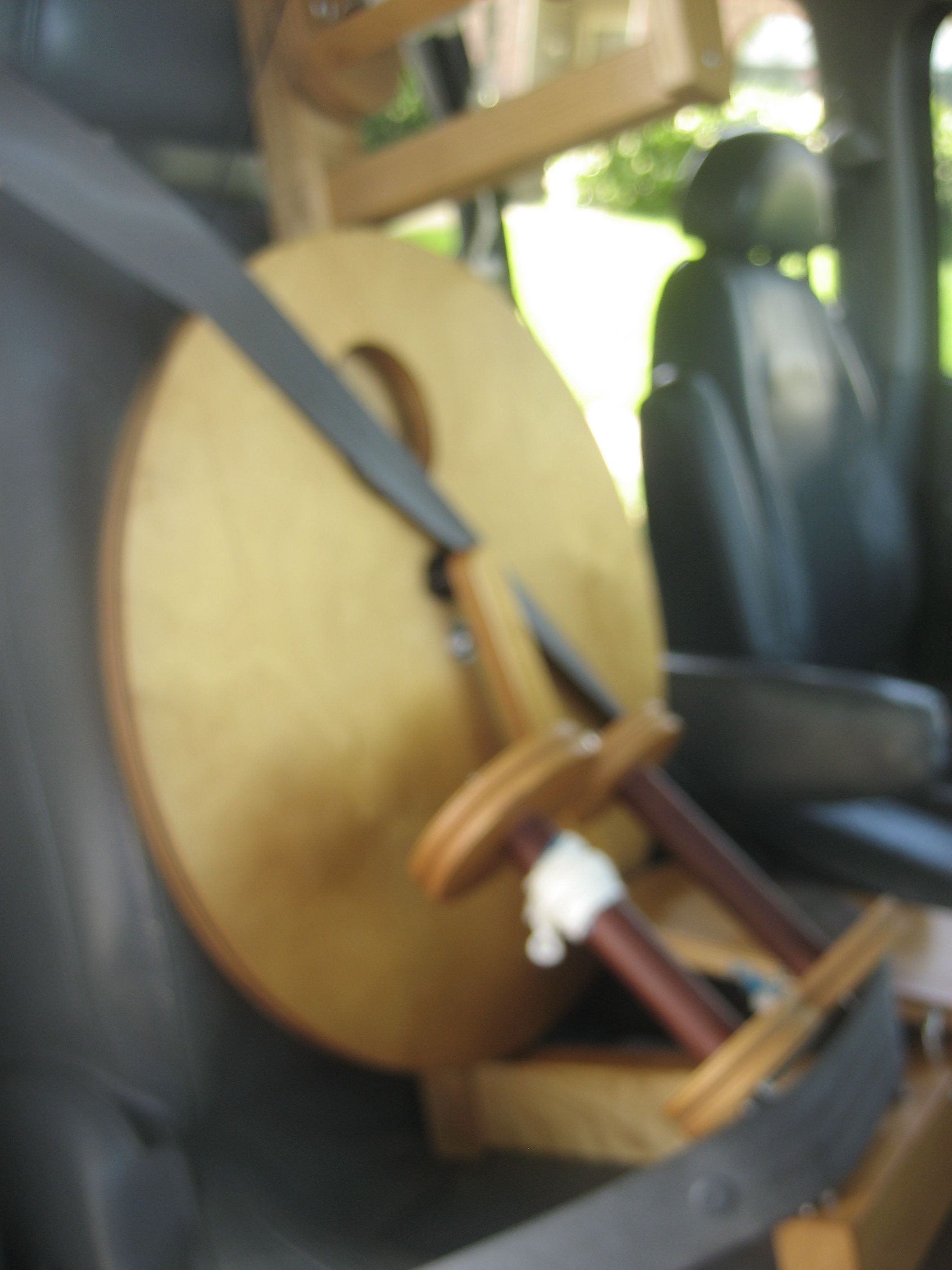

I had such a wonderful Mother’s Day weekend! My very own Louet wheel finally arrived from The Netherlands!
Thank you, Laurie and good son Hayden for helping me put it together!
Must stay safe driving home.
Though some spinners prefer to spin directly from the batt, there are additional steps that prepare wool to be spun by the rest of us mortals. Each step in the process of preparing raw wool is designed to “organize the fibers” to make spinning easier. The batts that come off the carder have their fibers more aligned, and there’s more air between the fibers than there was in the loose fleece; however, the batts can still be very compressed. This can make spinning more difficult, especially for us newbies!
If you’ve bought a batt or two, and are having difficulty spinning, you can easily turn your batts into roving. Here’s how:
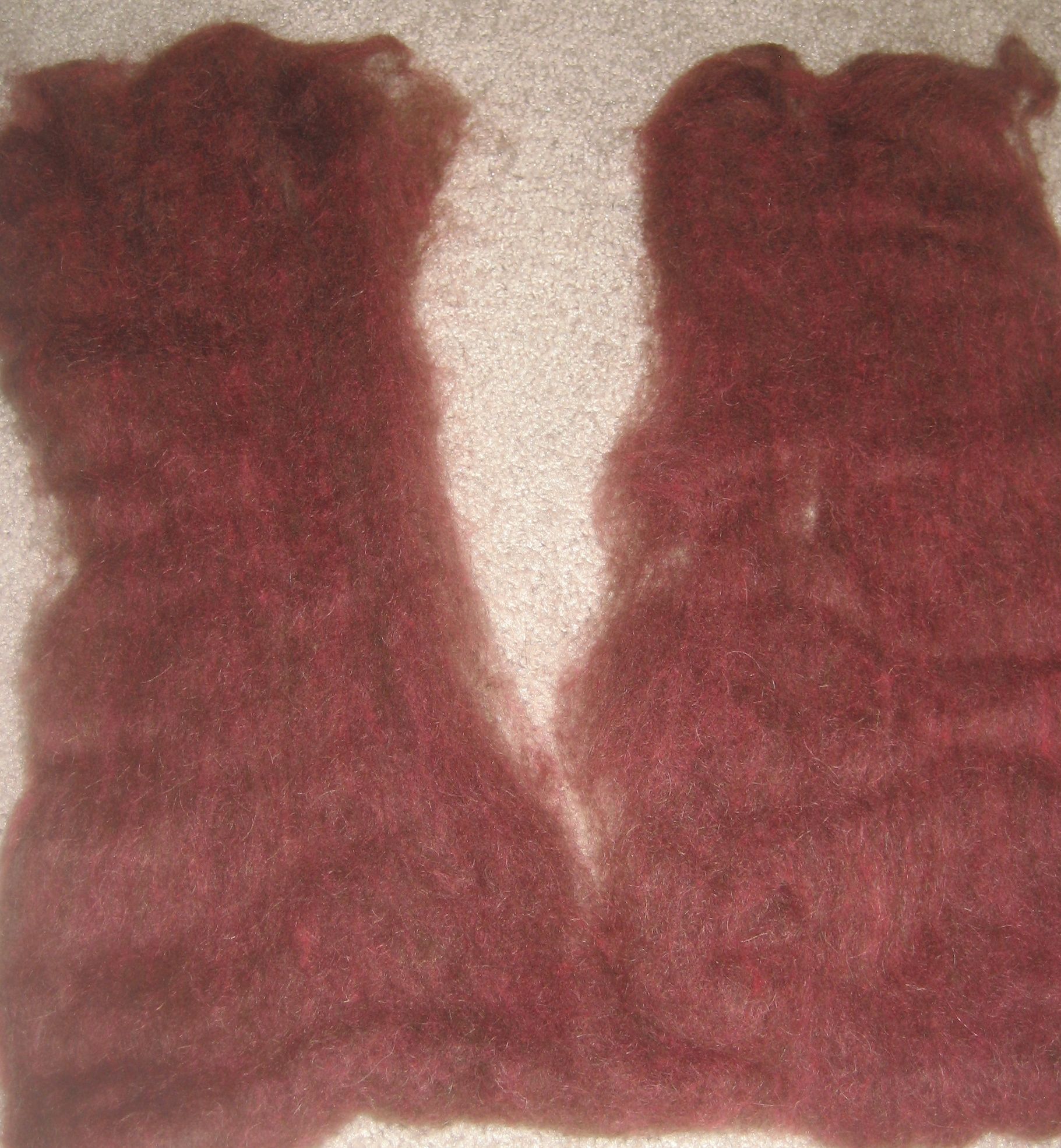
Divide the batt in half by pulling the fibers apart down the middle to the near edge, where you will leave a bit attached (about 1½”).
Next, turn the batt around so that the connected area is at the top, and on one side of the attachment, divide the batt again down to the other end where you will also leave a bit attached. Continue to turn the batt and divide, always leaving a bit attached at the end.
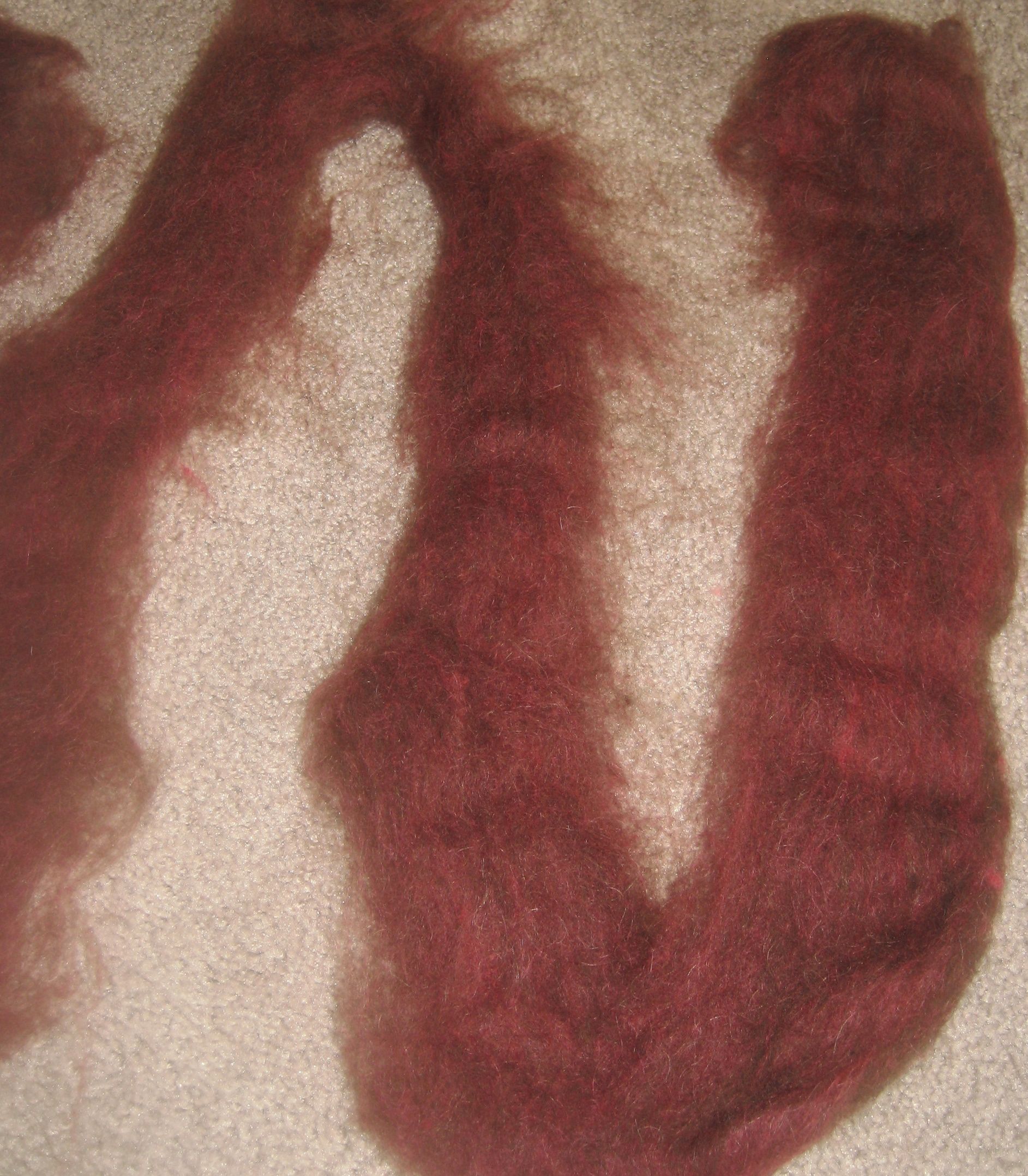
When you are finished with one side, go back to the middle of the batt and start on the other side. After the batt is separated into segments, straighten it out, smoothing and “drawing” the fibers into one length.
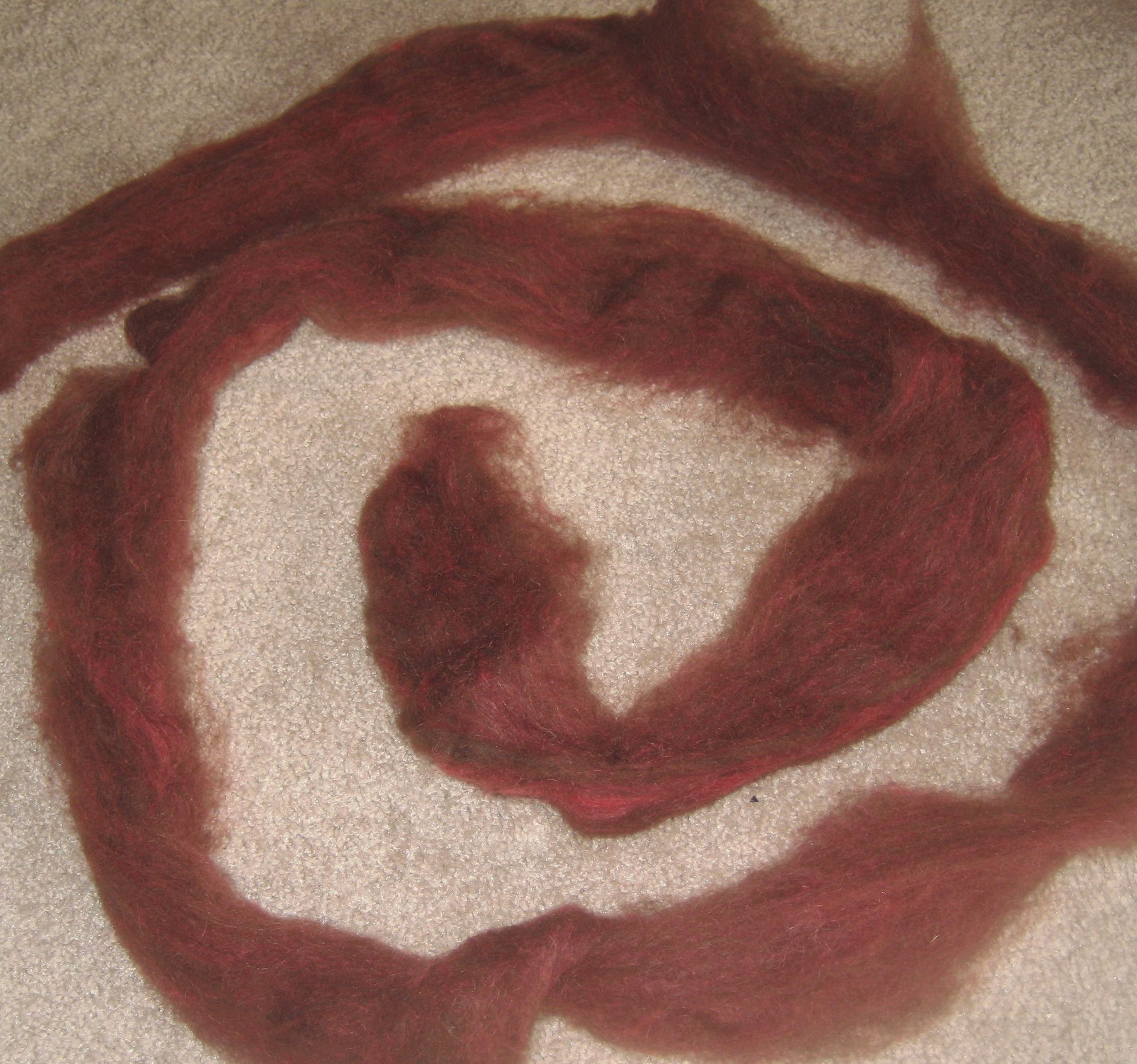
Drawing means just gently pulling the fibers to align them.
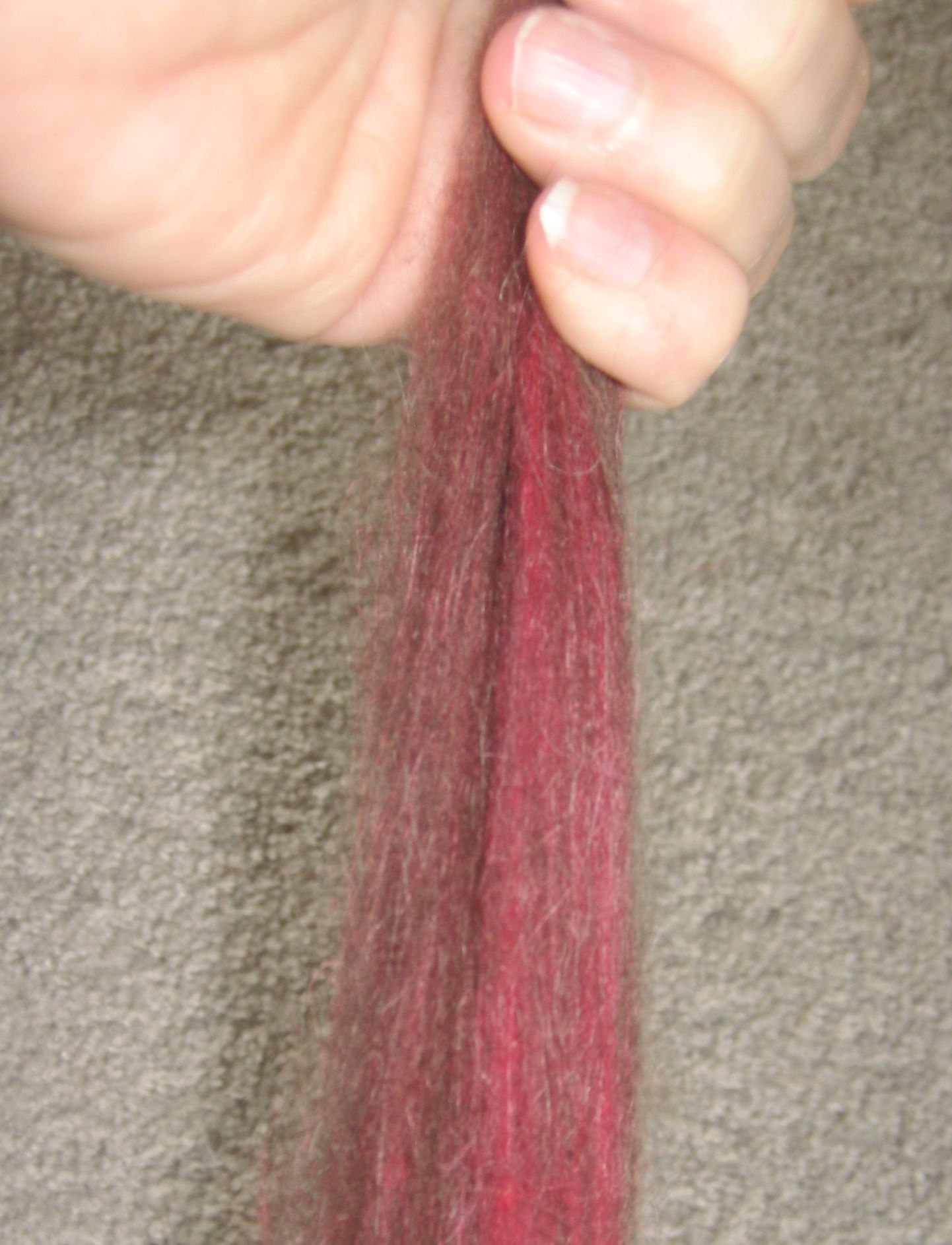
Now you’ve got roving! But this roving is still very thick for a new spinner. So take sections of the roving and draw (pull) them further apart, without separating the strands completely.
There are so many activities to synchronize for the new spinner that starting with thin, airy roving helps the process keep going!
Try this– you can very easily draw the fibers apart if you pull too firmly, because they simply slide past each other and separate.
The first few times I spun with Arabella and the spinning class for 2-3 hours at a time, I was so utterly exhausted that I had to lie down when I got home. Spinning is a very sedentary activity, so how could I be this tired? It was my brain! My brain was exhausted!
Probably because while spinning, the brain is working at several different tasks at once, and you have your fingers, hands, feet, and eyes active in the

process. Your brain is processing, your eyes are carefully watching the fiber, your foot is treadling not too fast and not too slow, and you are drawing the fiber out between your hands and allowing or not allowing twist with your top hand, and then stopping the twist so you can feed the yarn onto the spool…..whew! It takes a while just to get the coordination down! But like riding a bike, spinning seems to be movement that our bodies intuitively know how to master.
So now, after a dozen or so collective hours of spinning, I am beginning to “get it.” Instead of just a jumble of actions and slippery wool moving or not moving through my fingers, my brain has started to isolate and understand each of the various tasks. I think this process is what will improve my spinning going forward. Isolating, and then focusing, on the different actions will produce different results in the yarn.
Here are some of the beginning actions to isolate:
I’m going over to Arabella’s to practice on her Louet spinning wheel. She says what I need now is “time at the wheel.”
Comment by Angus on History Has Been Woven by a Stick – The Astonishing Drop Spindle, on April 27, 2010. This is too good to miss!
Angus says,
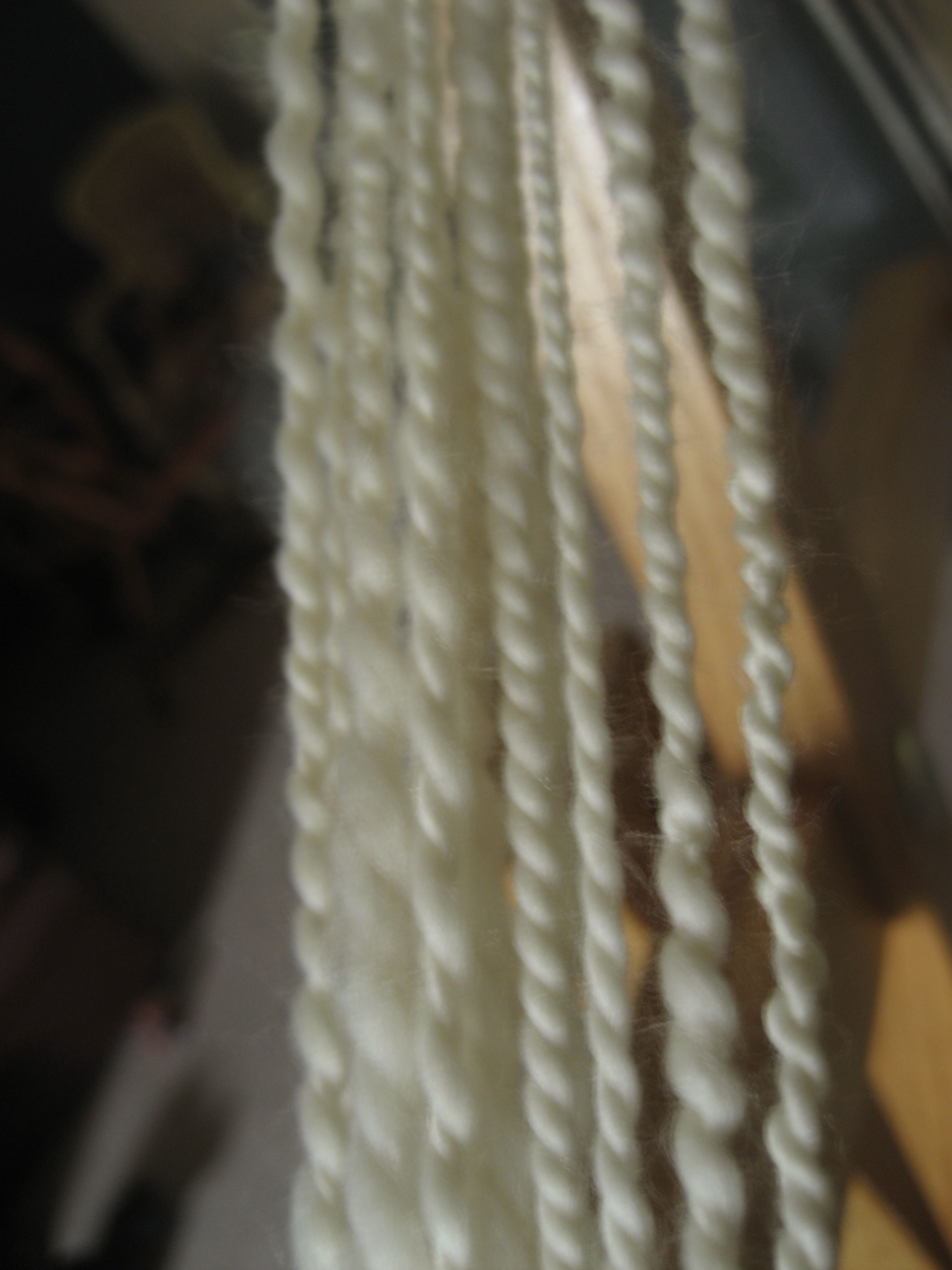 Spinning is Art.
Art is, at its most beautiful, best, intrinsic essence, three things:
1. useful
2. metaphorical
3. a reflection of God
When useful, art stops being a thing to view, and begins to be a part of us.
When metaphorical, art is both the thing at hand, and a representation of greater things.
When a reflection of God, it is a humble desire to be more like Him. He is, after all, the Creator; the Artist.
I too, am flabbergasted.
As mentioned in the previous post, I am completely flabbergasted by the importance of the drop spindle in over 10,000 years of human history. The spindle was the only tool for spinning threads and yarns to make everything on earth ever made from fabric or cloth, up until recent history (read more here about the history of the spinning wheel).
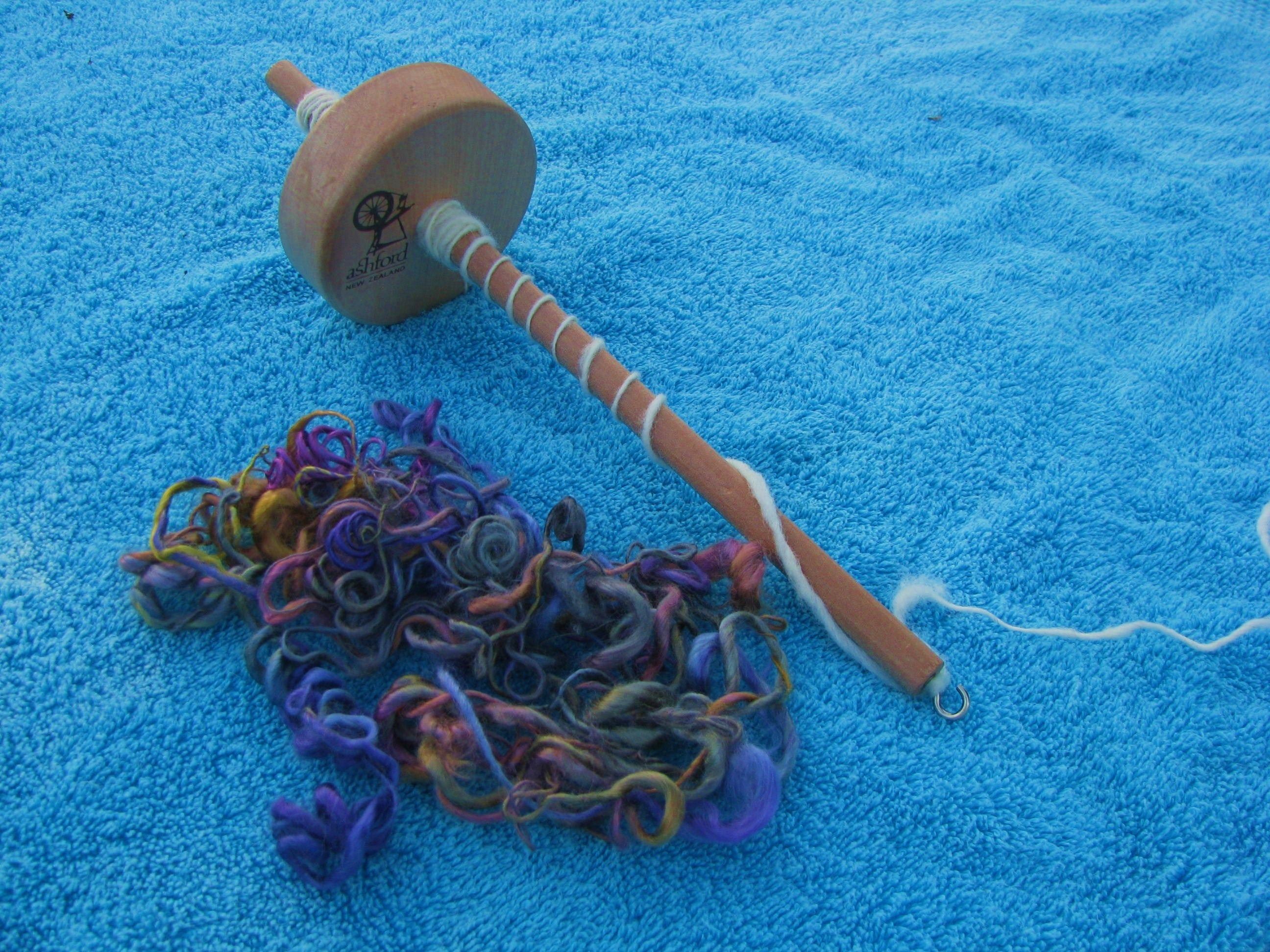
Here is a picture of a drop spindle and some beautifully dyed bamboo yarn that MonChere purchased as her first experiment into spinning.
She spun amazingly well, as I’ve hear that bamboo is not easily spun!
But now you can see how basic and simple the spindle is, and if you weren’t flabbergasted before, I hope you are now. Otherwise, you might be completely overtaken with the mundane-ness of buying your clothing at the store and need a shake up. Or you might be dead.
MonChere gave the unspun bamboo to Arabella to spin on her wheel, and here is the delightful result (Arabella is quite the spinner). 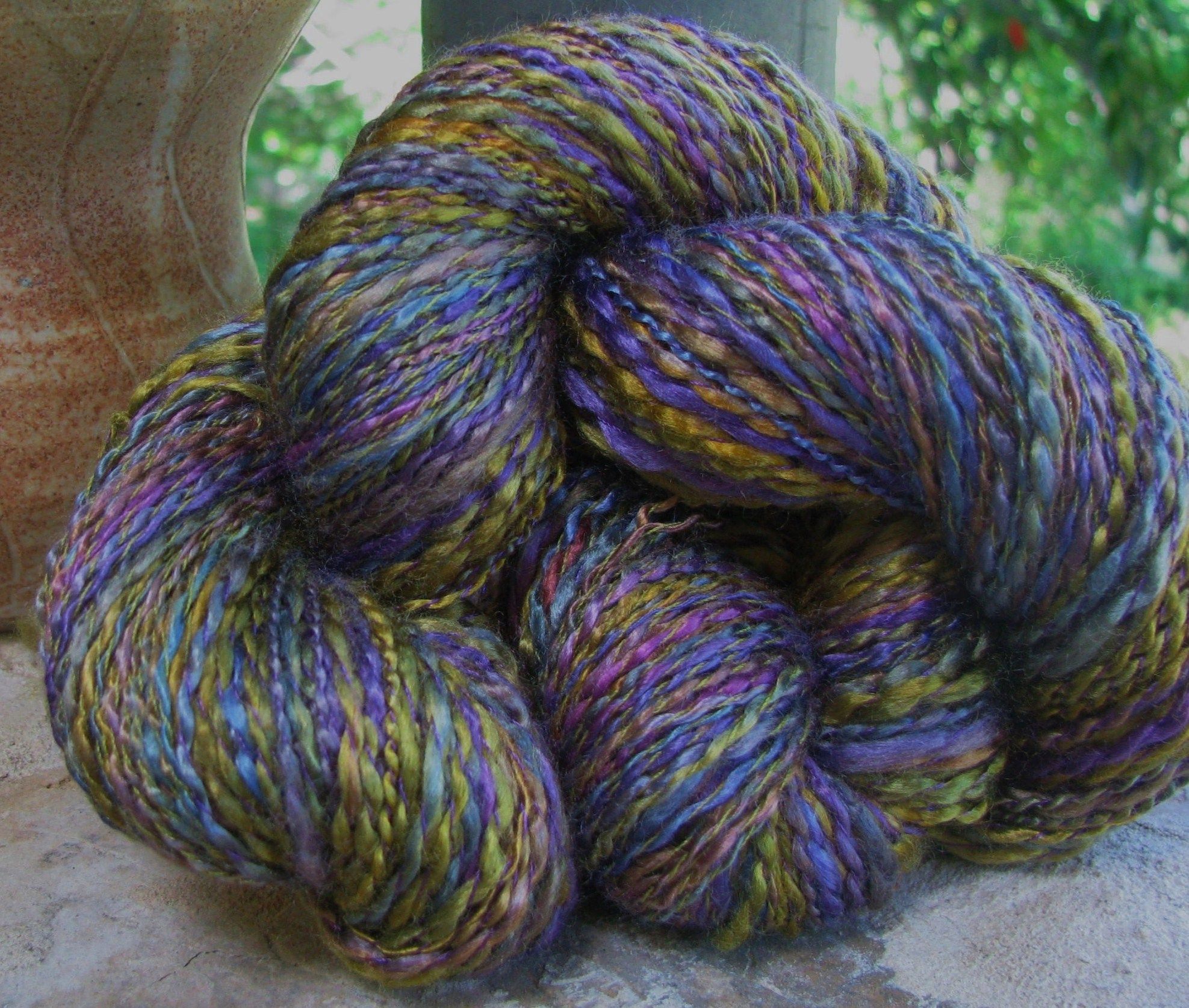
A fiber farm…of course! It makes complete sense. Food farmers harvest food, and fiber farmers harvest fiber from the many, many animals that grow fuzzy coats and beg to be shorn each spring. Just like food farming co-ops bring the eaters closer to the source of the food they eat, fiber farming co-ops bring the spinners, knitters, and weavers (among others!) closer to the source of the fiber they are spinning, weaving, knitting and possibly wearing (maybe–if I ever get the buttons attached).

 The Spinning Universe